
Toxic positivity is when optimism or positive thinking is taken too far to the point where negative emotions are shut down and hardships are invalidated. It can do real harm to people struggling with different challenges in life. However, there are some ways you can counteract toxic positivity.
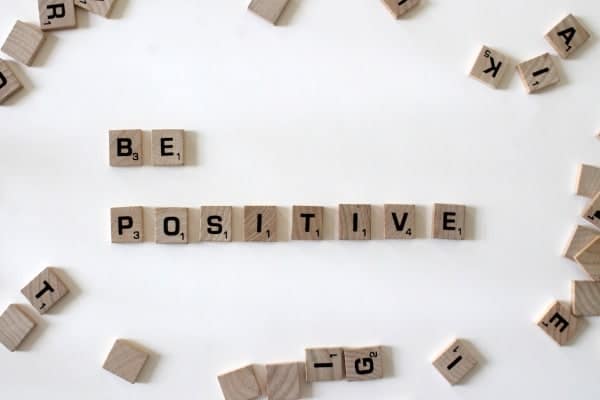
What is Toxic Positivity?
Toxic Positivity is when a positive mindset is pushed no matter how dire or difficult a situation is. It is taking optimism and positive thinking too far, to the point where difficult emotions are rejected and a false-positive façade is presented.
The problem with toxic positivity is that it invalidates struggles, denies your experience, suppresses difficult emotions, and denies support for people when they need it. Toxic positivity denies the painful part of the human experience. It sees negative emotions as inherently bad. It is an avoidance strategy that is used to push away and invalidate any internal discomfort.
Toxic Positivity is shallow, not authentic, and a false reassurance. It lacks empathy and prevents connection. Additionally, it doesn’t give you the time to process your emotions on your own. It delegitimizes real feelings of anxiety, fear, sadness, grief, and hardship. Toxic positivity doesn’t leave space for self-compassion, which is important to our mental health.
How It Is Used
Toxic positivity can be a form of gaslighting because it creates a false narrative of reality that can cause you to question what you think and feel. An abusive person might use it to devalue, dismiss, and minimize another person’s emotions and experiences. They might even use it as a way to downplay the seriousness of their abusive actions.
Some people may use toxic positivity statements to let them off the hook for dealing with other people’s feelings. These comments can cause shame and blame in people dealing with difficult situations. You may feel that you are defective because you are experiencing distress.
Spiritual Bypassing
Spiritual Bypassing is a type of toxic positivity that uses spirituality to avoid complex psychological issues. The belief is that you can use spirituality to get through anything. It can be used to avoid emotions, inner wounds, traumas, and other issues that you should be dealing with. It acts as a defence mechanism to avoid things that are uncomfortable.
The use of spiritual bypassing by others can be a way of shaming you for the negative emotions and pain in your life. They may tell you that you are not engaging with your spirituality in the right way. Others may also use it to dismiss a difficult situation or topic that they don’t want to talk about.
Examples
Toxic positivity can take a wide variety of forms. Some people may say things that they mean to be comforting but essentially want to avoid the other person’s pain, like:
- Just stay positive.
- Look on the bright side.
- Everything happens for a reason.
- It could be worse.
- You’ll never get anywhere talking like that.
- Look for the silver lining.
- You should be grateful for what you have.
- You’re better off without them.
- Thoughts and prayers
Others may say things that indicate that it’s their fault for not choosing to look at life a certain way:
- Happiness is a choice.
- Failure isn’t an option.
- There’s no reason you can’t do that.
- This should be easy for you.
- If I can do it, so can you.
- Shift your mindset.
- Everything can be changed.
- Sounds like you’re choosing to be negative.
Some people may say things that completely shoot down the sharing of pain, like:
- Good vibes only.
- It’s not a big deal.
- Everything is fine.
- Just smile.
- Delete negativity.
- Brush it off
- Chin up.
Toxic Positivity vs. Optimism
There are many benefits of a positive outlook on life and seeing the glass as half full. A positive attitude can help you cope better with stress, build resiliency and even improve your immune system. Having a positive outlook on life can be beneficial but not when it downplays or invalidates your reality and the struggles you are going through. The difference between optimism and toxic positivity is that it takes something good and uses it in a harmful way.

Why It Can Be Damaging
Toxic positivity can harm people who are going through difficult times. It prevents the sharing of genuine human emotions and access to support. People who are faced with toxic positivity find their feelings dismissed, ignored, or outright invalidated.
Shame/Guilt/Blame
Toxic positivity can lead to feelings of shame. It tells people that the emotions they are feeling are unacceptable. When someone is suffering, they need to know that their emotions are valid and that they can find relief and love in their friends and family. Toxic Positivity can cause people to feel shame for natural emotions that come from difficult circumstances and are helpful in your healing process.
Toxic positivity can also cause feelings of guilt. It can send the message that you are doing something wrong by not finding a way to feel positive, even in tragic circumstances. Toxic positivity can cause you to feel guilt for natural emotions that come from difficult circumstances.
Toxic Positivity can also involve blame. It can send the message that you are to blame for the pain or distress you are feeling because you are not thinking positively enough. They may encourage you to see your role in your situation without considering the context, believing positivity can change the situation. Often the person facing challenges is told that they just need to change their mindset.
Invalidation
Toxic positivity is invalidating. Sometimes it runs counter to what a person needs or has the capability to do in the moment. When someone doesn’t let you have your own narrative or bear witness to your truth without changing it, it is invalidating. People who push toxic positivity on you, invalidate your pain and experiences to fit their worldview or purposes.
Invalidation due to toxic positivity can lead to increased feelings of depression and anxiety. During times of stress, you may not have the cognitive capacity to learn something new or take in new information. Toxic positivity doesn’t allow you to take care of yourself the way you need to.
Shuts Down Emotions
Toxic Positivity avoids authentic human emotion. It allows people to avoid emotional situations that they find uncomfortable. Suppressing emotions can cause more internal, psychological stress than facing the emotions in the first place. This can lead to increased anxiety, depression, sleep issues, substance use, stress, prolonged grief, PTSD, and other health problems.
Upholds Oppression
Toxic positivity can uphold the oppression of racism, misogyny, homophobia, ableism, ageism, and other social injustices by making the emotions that accompany them unacceptable.
When we ask people to feel positive and smile through the pain of discrimination and oppression, we are asking them to ignore the injustices they are facing.
Suppresses Pain
Both negative and positive emotions are part of the human experience. Toxic positivity asks you to ignore the painful part of the human experience. It asks you to ignore natural emotions after difficult circumstances, such as grief after experiencing a loss or anger after a betrayal.
We connect through shared emotions like sadness, fear, and anger. We cannot empathize and support others if we shy away from anything but happiness.
Emotions help us to process life events and guide us in decision-making. When emotions are suppressed we may stay in dangerous situations and may not notice what is important to us. Emotions encourage self-reflection.
Prevents Growth
When we avoid painful things through toxic positivity it denies us the ability to face challenging feelings that can ultimately lead to growth and deeper insight.
Damages Relationships
Toxic positivity shuts up the other person when they try to confide in you. This can lead them to believe that you aren’t there for them and they feel disconnected from you. If you are unwilling to sit with them in their pain, it negatively affects the bond you have with them. Toxic positivity can make you seem fake and not trustworthy.
Toxic positivity can teach children that negative feelings are not okay and that can suppress how they cope with difficult situations in life. This can lead to chronic stress that can cause various physical and mental health problems.
Can Be Dangerous
Emotions are sent from our body and mind to deliver important information. It’s how we understand and evaluate life’s events. By always looking on the bright side, we block out useful information that can help us navigate life.
For example, a big test can bring anxiety. If you focus on positivity without studying or understanding the material, you may fail the test.
Can Enable Abusive Relationships
When people are in abusive relationships, especially emotionally and narcissistic abusive relationships, and they share their struggles and are faced with toxic positivity, it can instil self-doubt and self-blame in the abuse victims. Toxic Positivity can stonewall how bad your experience is and deny your reality.
Abuse victims may stay in a relationship longer because of the shame and blame that is instilled by toxic positivity. A person being gaslit is confronted with toxic positivity they may doubt their own reality. People who engage in toxic positivity encourage you to see the good in everyone, that your love can change them, and everyone deserves second chances including your abuser. Someone abusing you is not your fault. Abuse is something you need to deal with head-on, not something you can fix with positivity.
Signs of Toxic Positivity
Toxic positivity can often be subtle. Signs that you might be toxically positive include:
- Brushing off problems rather than facing them.
- Hiding your true feelings behind feel-good quotes that seem socially acceptable.
- Minimizing other people’s feelings because they make you uncomfortable.
- Shaming other people when they don’t have a positive attitude.
- Always looking for the silver lining.
- Always trying to put on a brave face.
- Only see good in people.
Signs that you may be on the receiving end of toxic positivity include:
- Feeling guilty about being sad, angry, or disappointed.
- Hiding or disguising how you really feel.
- Trying to be stoic or “get over” painful emotions.
- Engaging in compulsory happiness, which is the expectation that we be cheerful and upbeat regardless of what we’re really feeling.
Here are some signs that positivity has turned toxic:
- You dismiss or brush off feelings that aren’t “positive”.
- You feel guilt or shame for experiencing “negative” emotions.
- You’re avoiding or hiding from uncomfortable feelings.
- You only focus on the positive aspects of a painful situation.

How to Deal with Toxic Positivity from Others/Outside
Some ways you can respond to toxic positivity coming from others include:
- Challenging the person being toxically positive. Challenging the person can be uncomfortable but it gives the other person an opportunity for them to grow and for the relationship to get better.
- Ask questions to yourself like, “What is their agenda?” and “What do I think about what they are saying?”
- Everyone has their own path. Recognize that what works for others may not work for you. Listen to your instincts and question if what they are saying makes sense for you.
- Notice how you feel. If you are feeling shame or guilt after reading uplifting social media posts, it may be due to toxic positivity. You may want to reduce your social media consumption.
- Allow yourself to feel your feelings. Your feelings are real, valid, and important. Your emotions are functional and have a purpose. It doesn’t matter what someone else says, you are allowed to have difficult emotions.
- You have the right to take a step back and not buy into their rose-coloured glasses.
- Know that it’s okay not to be okay. Sometimes you need to take care of yourself and allow yourself to rest. Know that feelings of sadness, anger, and distress are natural in dealing with difficult situation.
- Know that you are not to blame for your difficult emotions due to trying circumstances.
- Practice mindfulness and recognize negativity and emotions without judgment.
How to Prevent Toxic Positivity from Within and Towards Yourself
If you notice that you are engaging in Toxic Positivity towards yourself, here are some things you can do:
- Being realistic about what you feel. When facing a difficult situation, it’s normal to feel stressed, worried, or even fearful. Don’t expect too much from yourself. Practice self-care and work on taking steps that can help improve your situation.
- Knowing that it’s okay to feel more than one thing. Emotions can be complex and conflicting, just like situations can be complex.
- Looking for meaning behind what you’re going through. This can help you look at the situation in a different light.
- Put your feelings into words. Through journaling or talking to a friend you can productively voice your emotions.
- Know that it’s okay not to be okay. Sometimes you need to take care of yourself and allow yourself to rest.
- Sometimes it is important to sit with your feelings and give yourself the time and space to process the situation and accept your emotions before you take action.
How to Prevent Toxic Positivity from Within and Towards Others
If you notice that you are engaging in Toxic Positivity towards yourself, here are some things you can do:
- Focus on listening to others and showing support. Validate their experiences and emotions.
- Focus on bearing witness to their truth before finding out how you can help them.
- Look inside yourself and try to figure out what is it about difficult emotions that make you want to avoid them.
- Notice if you feel the urge to share something about yourself that may downplay their experience.
Conclusion
Toxic positivity is a harmful use of something that can be beneficial when it is used in the right way. There are things you can do to minimize the effect it has on you, but if you are really struggling, please reach out to a professional for help. Toxic positivity can do real harm.
Discover more from Leona Westra, RCC
Subscribe to get the latest posts sent to your email.
Pingback: How Do You Tell If Your Nervous System Is Dysregulated? - Leona Westra, RCC
Pingback: The Benefits of Gratitude Practices - Leona Westra, RCC
Pingback: What is Spiritual Abuse - Leona Westra, RCC
Pingback: Toxic Positivity and Myths about Forgiveness - Leona Westra, RCC